 Collate Ideas For Community Radio Policy

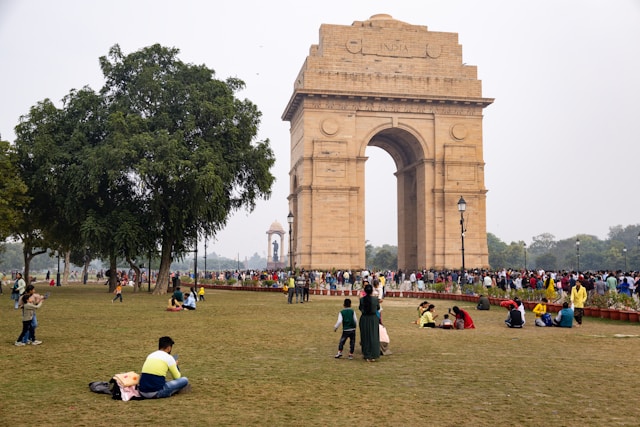
Heat waves have emerged as one of the most serious and underestimated urban disasters in India, and Delhi stands at the centre of this growing crisis. With a population exceeding 3 crore residents and an additional daily influx of commuters from neighbouring states like Uttar Pradesh and Haryana, Delhi faces a unique and complex vulnerability to extreme heat conditions.
Unlike sudden disasters such as earthquakes or floods, heat waves are slow-onset disasters that build gradually but can cause widespread health impacts, economic losses, and even fatalities if not managed effectively. In recent years, rising temperatures, prolonged heat spells, and increasing urbanisation have intensified the severity of heat waves in the capital.
Understanding Heat Waves
A heat wave means a period when the temperature becomes much higher than normal for that area and stays high for several days. It is not just about one hot day—it is when heat continues and the body does not get enough time to recover. In North India, especially Delhi, this usually happens between April and June, when temperatures can rise above 45°C. Sometimes, high humidity makes it even worse because the body cannot cool itself properly through sweating.
Heat waves are dangerous because they directly affect the human body’s ability to regulate temperature. When exposed to extreme heat for a long time, the body starts losing water and salts, leading to serious health problems:
- Heat exhaustion: The body becomes weak, dizzy, and tired due to excessive sweating and dehydration.
- Heat stroke: A life-threatening condition where body temperature rises above safe levels, and the body loses its ability to cool down.
- Dehydration: Loss of water from the body, causing weakness, confusion, and reduced physical performance.
- Organ failure: Extreme heat can damage vital organs like the brain, kidneys, and heart.
- Death: In severe cases, especially among vulnerable people, heat waves can be fatal if timely care is not provided.
In simple terms, a heat wave is not just “very hot weather”; it is a serious health hazard that can become deadly if proper precautions are not taken.
Why Delhi is Highly Vulnerable to Heat Waves
-
High Population Density
Delhi has a very large population, with millions of people living in a limited urban space. This high density puts heavy pressure on basic infrastructure such as water supply, electricity, housing, and public services. In many areas—especially informal settlements and slums—houses are small, poorly ventilated, and often made of materials that trap heat. These conditions make indoor spaces extremely hot during the summer, sometimes even hotter than outside temperatures. Overcrowding also reduces access to cooling options like fans, air conditioning, or even adequate drinking water. As a result, a large section of the population remains continuously exposed to heat stress, increasing the risk of heat-related illnesses.
-
Daily Floating Population
Delhi also experiences a significant daily floating population, with lakhs of people commuting from nearby states like Uttar Pradesh and Haryana for work. Many of these individuals are engaged in outdoor or semi-outdoor jobs such as construction work, street vending, transport, and manual labor. These workers spend long hours under direct sunlight, often without proper shelter, hydration, or rest breaks. Additionally, since they are not permanent residents, they may not have access to cooling facilities, healthcare support, or local awareness systems. This makes them highly vulnerable to extreme heat, as they face prolonged exposure with limited protection.
-
Urban Heat Island Effect
The Urban Heat Island (UHI) Effect refers to the phenomenon where urban areas experience significantly higher temperatures than their surrounding rural regions due to human activities and built infrastructure. In cities like Delhi, this effect is highly pronounced and plays a major role in intensifying heat waves.
The primary reason behind this is the extensive use of concrete, asphalt, glass, and other construction materials in buildings, roads, and pavements. These materials have a high capacity to absorb heat during the day and slowly release it during the night, preventing the city from cooling down even after sunset. As a result, Delhi often experiences elevated night-time temperatures, which reduces the body’s ability to recover from daytime heat stress.
Additionally, the lack of green cover and open spaces further aggravates the situation. Trees and vegetation naturally cool the environment through shade and evapotranspiration. However, rapid urbanisation in Delhi has reduced such natural cooling elements, replacing them with heat-retaining surfaces.
Human activities also contribute significantly to the UHI effect. Heat generated from:
- vehicles
- air conditioners
- industrial operations
- generators
adds to the overall temperature of the city. Ironically, increased use of air conditioning to combat heat further releases heat into the environment, creating a feedback loop that worsens the problem.
Dense building patterns and narrow streets in many parts of Delhi restrict air circulation, trapping heat and reducing natural ventilation. This creates localized “hot pockets” where temperatures can be even higher than the city’s average.
-
Loss of Green Cover
Urban Heat Island Effect in Delhi
The Urban Heat Island (UHI) Effect refers to the phenomenon where urban areas experience significantly higher temperatures than their surrounding rural regions due to human activities and built infrastructure. In cities like Delhi, this effect is highly pronounced and plays a major role in intensifying heat waves.
The primary reason behind this is the extensive use of concrete, asphalt, glass, and other construction materials in buildings, roads, and pavements. These materials have a high capacity to absorb heat during the day and slowly release it during the night, preventing the city from cooling down even after sunset. As a result, Delhi often experiences elevated night-time temperatures, which reduces the body’s ability to recover from daytime heat stress.
Additionally, the lack of green cover and open spaces further aggravates the situation. Trees and vegetation naturally cool the environment through shade and evapotranspiration. However, rapid urbanisation in Delhi has reduced such natural cooling elements, replacing them with heat-retaining surfaces.
Human activities also contribute significantly to the UHI effect. Heat generated from:
- vehicles
- air conditioners
- industrial operations
- generators
adds to the overall temperature of the city. Ironically, increased use of air conditioning to combat heat further releases heat into the environment, creating a feedback loop that worsens the problem.
Dense building patterns and narrow streets in many parts of Delhi restrict air circulation, trapping heat and reducing natural ventilation. This creates localized “hot pockets” where temperatures can be even higher than the city’s average. So, cities behave like “heat traps”, making heat waves more intense and dangerous.
-
Loss of Green Cover in Delhi
The rapid pace of urbanisation in Delhi has led to a significant reduction in green cover, which plays a crucial role in maintaining a balanced urban climate. Trees, parks, and vegetation act as natural cooling systems, helping to regulate temperature through shade and a process known as evapotranspiration, where plants release moisture into the air and reduce surrounding heat. However, increasing construction activities, road expansion, and infrastructure development have resulted in the clearing of trees and shrinking of open green spaces.
The absence of adequate vegetation means that large portions of the city are now dominated by heat-absorbing surfaces such as concrete, asphalt, and metal, which retain and radiate heat. Unlike green areas that cool the environment, these surfaces contribute to rising temperatures, especially during peak summer months. Additionally, trees provide shade that protects pedestrians, reduces surface temperatures, and improves overall comfort levels in public spaces. Without this natural protection, people, particularly those who walk or work outdoors, are directly exposed to extreme heat.
The loss of green cover also impacts air quality and humidity levels, further worsening the effects of heat waves. In densely populated areas with limited greenery, temperatures can rise significantly higher than in areas with adequate tree cover, creating localized heat stress zones.
-
Air Pollution
A heat wave means a period when the temperature becomes much higher than normal for that area and stays high for several days. It is not just about one hot day—it is when heat continues and the body does not get enough time to recover. In North India, especially Delhi, this usually happens between April and June, when temperatures can rise above 45°C. Sometimes, high humidity makes it even worse because the body cannot cool itself properly through sweating.
Heat waves are dangerous because they directly affect the human body’s ability to regulate temperature. When exposed to extreme heat for a long time, the body starts losing water and salts, leading to serious health problems:
- Heat exhaustion: The body becomes weak, dizzy, and tired due to excessive sweating and dehydration.
- Heat stroke: A life-threatening condition where body temperature rises above safe levels, and the body loses its ability to cool down.
- Dehydration: Loss of water from the body, causing weakness, confusion, and reduced physical performance.
- Organ failure: Extreme heat can damage vital organs like the brain, kidneys, and heart.
- Death: In severe cases, especially among vulnerable people, heat waves can be fatal if timely care is not provided.
In simple terms, a heat wave is not just “very hot weather”—it is a serious health hazard that can become deadly if proper precautions are not taken.
temperatures, reducing the body’s ability to cool down and recover from daytime heat exposure. Consequently, residents remain under continuous heat stress for longer durations.
Additionally, certain pollutants, particularly ground-level ozone, increase during high temperatures and further contribute to warming. This creates a compounding effect, where heat increases pollution levels, and pollution in turn intensifies heat.
From a health perspective, the combination of heat and pollution is especially dangerous. Polluted air puts stress on the respiratory and cardiovascular systems, while extreme heat strains the body’s temperature regulation mechanism. Together, they significantly increase the risk of:
- respiratory illnesses
- heat exhaustion
- heat stroke
- cardiovascular complications
Vulnerable groups such as the elderly, children, and those with pre-existing health conditions are at even greater risk. Outdoor workers are particularly affected, as they are exposed to both extreme temperatures and polluted air simultaneously.
Most Vulnerable Groups
Heat waves do not affect everyone equally. The most vulnerable include:
- Elderly people
- Children
- Outdoor workers (construction, traffic police, vendors)
- Slum dwellers
- Patients with chronic illnesses
- Homeless population
These groups often lack access to cooling systems, healthcare, and awareness.
Impact on Public Health
Heat waves put immense pressure on the healthcare system.
Common Health Impacts:
- Heat cramps
- Heat exhaustion
- Heat stroke (life-threatening)
- Dehydration
Hospitals often experience:
- surge in patients
- increased ICU demand
- strain on emergency services
Impact on Infrastructure
-
Power Demand Surge
- Increased use of air conditioners
- Risk of power outages
-
Water Scarcity
- Higher consumption
- Reduced availability in some areas
-
Transportation Stress
- Road surface damage
- Vehicle overheating
Economic Impact
Heat waves also affect productivity:
- Reduced working hours
- Increased health costs
- Loss of labor productivity
Outdoor work sectors suffer the most.
Heat Wave as a Disaster Management Issue
Traditionally, heat waves were seen as a weather issue, but today they are recognized as a disaster management concern.
Key characteristics:
- Predictable but neglected
- High impact on vulnerable populations
- Requires multi-agency response
Current Gaps in Preparedness
Despite increasing risk, several gaps exist:
-
Lack of Awareness
Many people do not recognize early symptoms of heat stress.
-
Limited Community-Level Planning
Most residential areas do not have:
- Heat Action Plans
- Community cooling strategies
-
Inadequate Infrastructure
- Lack of shaded public spaces
- Limited cooling centres
-
Weak Coordination
Coordination between agencies needs strengthening.
Need for Heat Action Plan
A Heat Action Plan (HAP) is essential for Delhi.
It should include:
- Early warning systems
- Public awareness campaigns
- Identification of vulnerable areas
- Coordination among departments
Role of Government Agencies
Delhi Disaster Management Authority (DDMA)
- Lead coordination
- Issue advisories
- Monitor implementation
Health Department
- Prepare hospitals
- Train medical staff
Municipal Corporations (MCD)
- Provide water points
- Maintain public spaces
Role of Community and RWAs
Resident Welfare Associations can play a major role:
- Awareness campaigns
- Identifying vulnerable residents
- Arranging water and shaded areas
- Promoting simple cooling measures
Simple Preventive Measures
For Individuals:
- Stay hydrated
- Avoid peak sun hours
- Wear light clothing
- Use ORS
For Institutions:
- Adjust working hours
- Provide drinking water
- Ensure shaded rest areas
Innovative Solutions
-
Cooling Centres
Public buildings can be used as cooling shelters.
-
Green Infrastructure
- Tree plantation
- Green roofs
-
Reflective Surfaces
- Cool roofs
- reflective paints
Role of Technology
- Weather forecasting
- Mobile alerts
- GIS mapping of vulnerable zones
Case for Preparedness
Heat waves do not arrive suddenly, which gives us time to prepare.
However, failure to act leads to:
- preventable deaths
- healthcare overload
- economic loss
Way Forward
-
Institutionalise Heat Action Plans
Make them mandatory for districts.
-
Strengthen Community Awareness
Use:
- media
- schools
- RWAs
-
Improve Urban Planning
- Increase green cover
- reduce heat absorption
-
Data-Driven Approach
- Track heat-related illnesses
- map risk areas
Conclusion
Heat waves are no longer a seasonal inconvenience; they are a serious urban disaster. Delhi, with its massive population and complex urban dynamics, faces a heightened risk that cannot be ignored. Preparedness, awareness, and coordinated action are the only ways to reduce the impact. With the right planning and community participation, Delhi can transform from a vulnerable city into a heat-resilient urban system. Disasters do not always come with sirens and warnings—sometimes, they arrive silently, with rising temperatures. Heat waves are predictable and therefore preventable in terms of impact.
In this context, Zone4Solutions invites all stakeholders of Delhi—government agencies, RWAs, institutions, industries, and communities—to join hands and work together to reduce the impact of heat waves. A collective and coordinated approach can significantly enhance preparedness and protect vulnerable populations. Preparedness must not remain an option—it must be non-negotiable.
No Comments