 Collate Ideas For Community Radio Policy

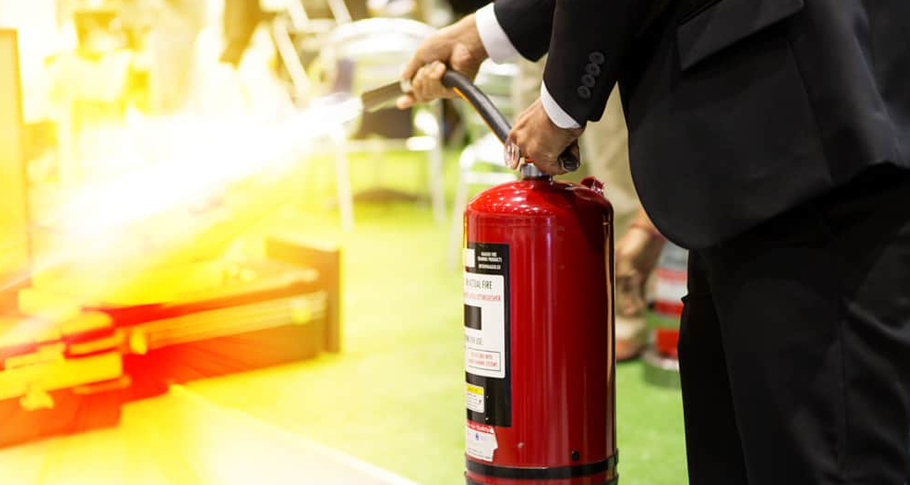
Museums are not just buildings—they are repositories of history, culture, and national identity. They preserve priceless artefacts, artworks, and documents that define a nation’s heritage. In India, institutions like the National Gallery of Modern Art (NGMA), with its three locations in Delhi, Mumbai, and Bengaluru, represent some of the most valuable cultural assets of the country.
However, these institutions also face a wide range of risks, including fire, electrical hazards, natural disasters, and human-induced threats. Unlike other buildings, museums house irreplaceable collections, meaning that any damage is not just financial—it is permanent and irreversible.
In this context, museum safety must go beyond conventional fire protection and evolve into a comprehensive disaster management framework.
The Unique Nature of Museum Risk
Museums differ significantly from conventional buildings because they are not merely occupied spaces, they are custodians of irreplaceable cultural, historical, and artistic assets. This makes their risk profile far more complex and sensitive compared to residential, commercial, or industrial facilities.
One of the most critical factors is the presence of high-value and irreplaceable artefacts. Unlike typical assets, museum collections cannot be replaced or restored once damaged. A single incident, such as fire, water leakage, or mishandling, can result in the permanent loss of heritage that may have taken centuries to create and preserve. Therefore, the consequence of risk in museums is not just economic but cultural and historical.
In addition, museums house highly sensitive materials such as paintings, textiles, manuscripts, wood, and paper-based artefacts. These materials are extremely vulnerable to heat, smoke, humidity, and even minor environmental fluctuations. For example, exposure to high temperature or smoke during a fire incident can irreversibly damage artwork, while excess moisture can lead to fungal growth and deterioration. This makes even small incidents potentially devastating.
Museums also operate under controlled environmental conditions, including regulated temperature, humidity, and lighting. While these systems are essential for preservation, they also introduce dependencies on electrical and mechanical infrastructure such as HVAC systems, lighting systems, and monitoring devices. Any failure in these systems, whether due to power outage, equipment malfunction, or human error, can disrupt the delicate balance required for artefact preservation and may trigger secondary risks.
Another key aspect is public accessibility. Museums are open to visitors, often in large numbers, which introduces additional challenges related to crowd management, evacuation, and human-induced risks. Visitors may unintentionally damage exhibits, block escape routes, or contribute to fire hazards. During emergencies, the presence of untrained visitors increases the likelihood of panic, making evacuation more difficult and risky.
These combined factors create a complex and high-stakes risk environment, where even minor incidents—such as a small electrical fault, water seepage, or localised fire, can escalate into major disasters with irreversible consequences. Unlike other buildings where losses may be recoverable, in museums, the impact is often permanent, making prevention, preparedness, and specialized safety planning absolutely critical.
“In museums, the scale of risk is not defined by the size of the incident, but by the value of what is at stake.”
Types of Risks in Museums
-
Fire Risk
Fire is widely recognised as the most significant and destructive threat to museums, as it can lead to the irreversible loss of priceless cultural assets within minutes. Unlike other risks, fire not only damages artefacts through flames but also through heat, smoke, and water used in firefighting, making its impact multidimensional and often catastrophic.
One of the primary causes of fire in museums is electrical faults. Museums rely heavily on electrical systems for lighting, climate control, security, and digital displays. Aging wiring, overloaded circuits, poor maintenance, or temporary connections during exhibitions can result in short circuits or overheating, which may ignite surrounding materials.
Lighting systems, especially those used to highlight exhibits, can also pose a fire risk. High-intensity lights, spotlights, and decorative fixtures generate heat over prolonged periods. If placed too close to combustible materials such as curtains, display panels, or artworks, they can become potential ignition sources.
HVAC (Heating, Ventilation, and Air Conditioning) systems, essential for maintaining controlled environmental conditions, can contribute to fire risk if not properly maintained. Electrical components, motors, and ducts can overheat or accumulate dust, which may act as fuel in case of a spark. Additionally, HVAC systems can facilitate the rapid spread of smoke and fire across different sections of the museum if proper fire dampers and controls are not in place.
Human negligence is another critical factor. This includes unsafe practices such as improper use of electrical equipment, smoking in restricted areas, careless handling of flammable materials, or failure to adhere to safety protocols during maintenance or events.
Once a fire starts, it can spread rapidly within a museum due to several inherent factors. Many museums contain combustible display materials such as fabrics, wooden frames, paper-based exhibits, and decorative elements. These materials can catch fire easily and contribute to the rapid escalation of the incident.
Additionally, wooden structures and interior finishes, often present in heritage buildings, increase fire load and accelerate fire spread. Storage areas, which may contain packed archives, documents, and artefacts, pose an even higher risk due to high fuel load and limited accessibility, making firefighting operations more difficult.
Another major concern is that even a small, localised fire can result in widespread damage due to smoke contamination, heat exposure, and firefighting water. Artworks and artefacts are highly sensitive, and exposure to smoke or moisture can cause irreversible deterioration, even if they are not directly exposed to fire.
Impact of Fire in Museums
- Permanent loss of heritage and cultural assets
- Damage from smoke, heat, and water
- Risk to visitors and staff
- Long-term closure and restoration challenges
“In museums, a fire does not just destroy objects, it erases history.”
-
Electrical Hazards
Electrical hazards are among the most critical risk factors in modern museums due to their heavy dependence on electrical and electronic systems. Unlike traditional buildings, museums rely extensively on lighting systems, climate control (HVAC), digital displays, security systems, and monitoring equipment to preserve artifacts and enhance visitor experience. This continuous and often high-load usage of electrical infrastructure increases the likelihood of faults if systems are not properly designed, maintained, and monitored.
Lighting systems, especially specialised gallery lighting, operate for long durations and often use high-intensity fixtures to highlight exhibits. These systems can generate significant heat, and if not properly ventilated or installed, may lead to overheating of fixtures, wiring, or nearby materials.
Climate control systems (HVAC) are essential for maintaining precise temperature and humidity levels required for artefact preservation. However, these systems involve motors, compressors, control panels, and extensive electrical networks. Any malfunction, such as insulation failure, loose connections, or overload, can result in sparking, overheating, or electrical fires.
Digital installations and modern exhibit technologies, including interactive screens, projection systems, sensors, and surveillance equipment, further add to the electrical load. Temporary installations during exhibitions may involve additional wiring and connections, which, if not properly managed, can become potential ignition points.
Improper maintenance of electrical systems can lead to serious hazards such as short circuits, where faulty wiring or damaged insulation causes unintended current flow, often resulting in sparks or fire. Overloading of circuits, due to excessive demand or poor load distribution, can cause overheating of cables and equipment. Over time, ageing infrastructure, dust accumulation, and lack of periodic inspection further increase the risk.
Another important concern is that electrical faults often occur hidden within walls, ceilings, or panels, making early detection difficult. When such faults lead to fire, they can spread unnoticed until the situation becomes critical.
Impact in Museum Context
- High risk of fire initiation
- Damage to sensitive artifacts due to heat and smoke
- Disruption of environmental control systems
- Potential cascading failures across interconnected systems
-
Environmental Risks
Environmental risks in museums are often silent and gradual, yet they can be just as damaging as sudden disasters like fire. Unlike visible hazards, these risks affect artifacts over time, causing slow deterioration that may go unnoticed until significant damage has already occurred. Maintaining stable environmental conditions is therefore critical for the long-term preservation of museum collections.
One of the primary concerns is temperature fluctuation. Many artifacts—especially paintings, wooden objects, and historical materials—are highly sensitive to changes in temperature. Sudden or frequent fluctuations can cause materials to expand and contract, leading to cracking, warping, fading, or structural weakening. For example, canvas paintings may loosen or tighten, and wooden artifacts may develop cracks due to repeated thermal stress.
Closely related to temperature is humidity control. Variations in humidity levels can have severe consequences for artifacts. High humidity promotes fungal growth, mold formation, and corrosion, particularly affecting paper, textiles, and metal objects. On the other hand, very low humidity can cause materials to become brittle, leading to cracking and fragmentation. Maintaining an optimal and stable humidity range is therefore essential, but challenging, especially in regions with extreme weather conditions like Delhi.
Another significant risk is water leakage, which can occur due to roof seepage, plumbing failures, HVAC condensation, or flooding. Water damage is particularly dangerous because it can lead to staining, swelling, discolouration, and microbial growth. Even minor leaks, if not detected early, can spread and affect multiple artefacts. Storage areas, basements, and older buildings are especially vulnerable to such risks.
Environmental control systems such as HVAC are designed to manage these conditions, but any malfunction or power failure can quickly disrupt the delicate balance. Additionally, external factors such as seasonal changes, poor building insulation, and inadequate maintenance further increase vulnerability.
Impact in Museum Context
- Gradual and irreversible deterioration of artifacts
- Loss of structural integrity of materials
- Growth of mold and biological damage
- Reduced lifespan of collections
-
Natural Disasters
Natural disasters pose a significant threat to museums, as they can cause sudden, large-scale damage to both the building and the invaluable collections housed within. Unlike routine risks, natural disasters often occur with little warning and can overwhelm existing safety systems if adequate preparedness measures are not in place. For museums, the impact is particularly severe because the loss of artifacts is often irreversible and irreplaceable.
Earthquakes are one of the most critical risks, especially for museums located in seismically active regions. Structural damage to buildings, collapse of display cases, and falling objects can result in extensive destruction of artifacts as well as serious risk to visitors and staff. Fragile items such as sculptures, ceramics, and glass objects are especially vulnerable to vibrations and sudden shocks. Even minor tremors can destabilise improperly secured exhibits.
Floods and water ingress, whether due to heavy rainfall, poor drainage, rising water levels, or plumbing failures, can severely damage collections. Water can penetrate storage areas, basements, and display zones, leading to swelling, staining, corrosion, and mould growth. Paper-based artefacts, textiles, and wooden objects are particularly susceptible to water damage. In urban settings like Delhi, localised flooding due to heavy rainfall or drainage failure can pose a serious risk.
Storms and extreme weather events, including high winds, dust storms, and heavy rains, can damage building envelopes such as roofs, windows, and facades. Broken windows or roof failures can allow water and debris to enter the museum, threatening both artefacts and occupants. Power outages caused by storms can also disrupt environmental control systems, security systems, and lighting, increasing overall vulnerability.
Another important aspect of natural disasters is their cascading impact. For example, an earthquake may trigger fire due to electrical faults, or a storm may lead to water leakage and subsequent electrical hazards. Museums must therefore adopt a multi-hazard approach to disaster preparedness.
Preparedness for natural disasters involves not only structural safety but also collection protection strategies, such as securing artifacts, elevating storage, waterproofing critical areas, and having clear evacuation and salvage plans. Coordination with external agencies like fire services, disaster management authorities, and local administration is also essential.
Impact in Museum Context
- Structural damage to buildings
- Physical damage or loss of artifacts
- Water and environmental damage
- Risk to visitors and staff
- Long-term restoration challenges
-
Human-Induced Risks
- theft
- vandalism
- overcrowding
The Need for a Museum Disaster Management Plan
A Museum Disaster Management Plan (MDMP) is essential to:
- identify risks
- establish response mechanisms
- ensure safety of visitors and staff
- protect collections
Key Components of Museum Safety Planning
-
Risk Assessment
- Identification of hazards
- vulnerability analysis
- prioritization of risks
-
Fire Safety Systems
- fire detection systems
- suppression systems
- portable extinguishers
Special care must be taken to use systems that do not damage artifacts.
-
Electrical Safety
- regular inspection
- load management
- thermography
-
Evacuation Planning
- clear exit routes
- signage
- self-glowing evacuation maps
-
Collection Protection Strategy
- prioritization of artifacts
- safe storage
- emergency handling procedures
-
Training and Mock Drills
Staff must be trained in:
- fire response
- evacuation
- artifact handling
Special Challenges in Museum Safety
-
Balancing Safety and Preservation
Fire suppression methods must not damage artefacts.
-
Public Accessibility
A large number of visitors increases the risk.
-
Old Buildings
Many museums are heritage structures with limited retrofitting options.
Role of Technology
- early warning systems
- surveillance
- digital inventory
- monitoring systems
Case of National Gallery of Modern Art (NGMA)
India has only three National Galleries of Modern Art:
- Delhi
- Mumbai
- Bengaluru
These institutions hold some of the most valuable modern art collections in the country.
Zone4Solutions has had the privilege of contributing to the safety of these national assets by developing Disaster Management Plans for two out of the three NGMA locations. This experience highlights the complexity and importance of structured safety planning in such institutions.
Key Learnings from Field Experience
From working on high-value institutions like NGMA, several insights emerge:
- Preparedness is often underestimated
- documentation alone is not sufficient
- training and drills are critical
- coordination among agencies is essential
Role of Authorities
NDMA
- Guidelines and policy
Fire Services
- inspection and compliance
Museum Management
- implementation
Importance of Evacuation Planning
In emergencies:
- panic can cause more harm than the incident itself
Clear evacuation plans ensure:
- safe movement
- reduced confusion
Importance of Self-Glowing Evacuation Maps
- visible in darkness
- effective in smoke conditions
- improve evacuation efficiency
Human Factor in Museum Safety
Staff behaviour plays a critical role.
- trained staff → controlled response
- untrained staff → chaos
Need for Regular Audits
Safety systems must be:
- regularly inspected
- tested
- maintained
Integration with Disaster Management System
Museums must coordinate with:
- fire services
- police
- disaster management authorities
Challenges in India
- lack of awareness
- limited enforcement
- budget constraints
Way Forward
-
Mandatory Disaster Management Plans through a qualified disaster manager
For all museums.
-
Capacity Building
Staff training.
-
Technology Integration
-
Policy Strengthening
Conclusion
Museum safety is not just about protecting buildings—it is about safeguarding a nation’s identity and heritage. The loss of even a single artifact can mean the loss of history that can never be recreated.
The experience of working with institutions like NGMA demonstrates that preparedness is achievable and can significantly reduce risks. Disasters do not differentiate between ordinary buildings and heritage institutions. The difference lies in preparedness. A safe museum is a prepared museum.
No Comments